Microsoft Teams vs OpenPhone
Thesis: Overlapping use cases, different tradeoffs — Microsoft Teams and OpenPhone share buyer workflows; choose based on documented strengths and limits. Microsoft Teams and OpenPhone share buyer workflows; choose based on documented strengths and limits. Choose Microsoft Teams only if your buying job matches “M365 collaboration hub (chat, meetings, files) with optional Teams Phone telephony add-on ” rather than OpenPhone's shape. Choose OpenPhone only if your buying job matches “Modern SMB shared business phone (also branded Quo) with shared numbers, SMS and Sona AI —” rather than Microsoft Teams's shape. Workflow advantage: Microsoft Teams leans shared coverage; OpenPhone leans business-phone, sales-calling. Trade-off: you gain focus on one product's motion at the cost of the other's adjacent coverage — no universal winner. Major differences: - Buyer thesis: Overlapping use cases, different tradeoffs — Microsoft Teams and OpenPhone share buyer workflows; choose based on documented strengths and limits. - Positioning: Microsoft Teams is M365 collaboration hub (chat, meetings, files) with optional Teams Phone telephony add-on — free Teams tier exists; Phone Standard ~$10/user; OpenPhone is Modern SMB shared business phone (also branded Quo) with shared numbers, SMS and Sona AI — Starter from $15/user/month annual.. - Company-size focus: Microsoft Teams (small-business, mid-market, enterprise) vs OpenPhone (solo, small-business, mid-market). - Workflow coverage skew: Microsoft Teams-leaning — vs OpenPhone-leaning business-phone, sales-calling. - Researched limits: Microsoft Teams — Scored as a collaboration hub — Teams Phone is a telephony add-on, not the primary scored job; OpenPhone — US/Canada-centric calling footprint — not a global UCaaS carrier story. Limitations — Microsoft Teams: Scored as a collaboration hub — Teams Phone is a telephony add-on, not the primary scored job; Teams Phone requires an eligible Teams/M365 licence plus PSTN (PAYG or Calling Plan); OpenPhone: US/Canada-centric calling footprint — not a global UCaaS carrier story; Phone menus, automatic recording and deeper CRM require Business or above. Poor-fit cases: Microsoft Teams is a poor fit when that limitation bites: Scored as a collaboration hub — Teams Phone is a telephony add-on, not the primary scored job · OpenPhone is a poor fit when that limitation bites: US/Canada-centric calling footprint — not a global UCaaS carrier story · Avoid Microsoft Teams if you actually need OpenPhone's motion (Modern SMB shared business phone (also branded Quo) with shared numbers, SMS and) Neither product has a completed hands-on product test on SoftwareGlimpse — this comparison is research/data-based only.

Microsoft Teams
M365 collaboration hub (chat, meetings, files) with optional Teams Phone telephony add-on — free Teams tier exists; Phone Standard ~$10/user/month annual plus PSTN.
Best for
- • your buying job matches “M365 collaboration hub (chat, meetings, files) with optional Teams Phone telephony add-on ” rather than OpenPhone's shape
- • use-case priority is team-communication and OpenPhone is secondary for that motion
Starting from $0.00/user/mo
Free plan available
VS
Our verdict
Microsoft Teams and OpenPhone share buyer workflows; choose based on documented strengths and limits. Choose Microsoft Teams only if your buying job matches “M365 collaboration hub (chat, meetings, files) with optional Teams Phone telephony add-on ” rather than OpenPhone's shape. Choose OpenPhone only if your buying job matches “Modern SMB shared business phone (also branded Quo) with shared numbers, SMS and Sona AI —” rather than Microsoft Teams's shape. Workflow advantage: Microsoft Teams leans shared coverage; OpenPhone leans business-phone, sales-calling. Trade-off: you gain focus on one product's motion at the cost of the other's adjacent coverage — no universal winner. Microsoft Teams is a poor fit when that limitation bites: Scored as a collaboration hub — Teams Phone is a telephony add-on, not the primary scored job OpenPhone is a poor fit when that limitation bites: US/Canada-centric calling footprint — not a global UCaaS carrier story Hard limitation for Microsoft Teams when it matters: Scored as a collaboration hub — Teams Phone is a telephony add-on, not the primary scored job. Hard limitation for OpenPhone when it matters: US/Canada-centric calling footprint — not a global UCaaS carrier story. Neither product has a completed hands-on product test on SoftwareGlimpse — this comparison is research/data-based only. Pricing threshold: estimate spend with the cost calculator before shortlisting.
Microsoft Teams is better for
- ✓ CRM / CTI integrations
OpenPhone is better for
- ✓ Number / country coverage
- ✓ Power dialer
- ✓ Routing & IVR
- ✓ Analytics
Tie
- • WhatsApp Business
- • AI features
Choose Microsoft Teams if: your buying job matches “M365 collaboration hub (chat, meetings, files) with optional Teams Phone telephony add-on ” rather than OpenPhone's shape
Choose OpenPhone if: your buying job matches “Modern SMB shared business phone (also branded Quo) with shared numbers, SMS and Sona AI —” rather than Microsoft Teams's shape

OpenPhone
Modern SMB shared business phone (also branded Quo) with shared numbers, SMS and Sona AI — Starter from $15/user/month annual.
Best for
- • your buying job matches “Modern SMB shared business phone (also branded Quo) with shared numbers, SMS and Sona AI —” rather than Microsoft Teams's shape
- • use-case priority is business-phone and Microsoft Teams is secondary for that motion
Starting from $15.00/user/mo
No free plan
Quick verdict
Start here — then dig into the evidence below.
Choose Microsoft Teams if…
- your buying job matches “M365 collaboration hub (chat, meetings, files) with optional Teams Phone telephony add-on ” rather than OpenPhone's shape
- use-case priority is team-communication and OpenPhone is secondary for that motion
- You prioritize crm / cti integrations
Choose OpenPhone if…
- your buying job matches “Modern SMB shared business phone (also branded Quo) with shared numbers, SMS and Sona AI —” rather than Microsoft Teams's shape
- use-case priority is business-phone and Microsoft Teams is secondary for that motion
- You prioritize number / country coverage
- You prioritize power dialer
Overall recommendation
Microsoft Teams and OpenPhone share buyer workflows; choose based on documented strengths and limits. Choose Microsoft Teams only if your buying job matches “M365 collaboration hub (chat, meetings, files) with optional Teams Phone telephony add-on ” rather than OpenPhone's shape. Choose OpenPhone only if your buying job matches “Modern SMB shared business phone (also branded Quo) with shared numbers, SMS and Sona AI —” rather than Microsoft Teams's shape. Workflow advantage: Microsoft Teams leans shared coverage; OpenPhone leans business-phone, sales-calling. Trade-off: you gain focus on one product's motion at the cost of the other's adjacent coverage — no universal winner. Microsoft Teams is a poor fit when that limitation bites: Scored as a collaboration hub — Teams Phone is a telephony add-on, not the primary scored job OpenPhone is a poor fit when that limitation bites: US/Canada-centric calling footprint — not a global UCaaS carrier story Hard limitation for Microsoft Teams when it matters: Scored as a collaboration hub — Teams Phone is a telephony add-on, not the primary scored job. Hard limitation for OpenPhone when it matters: US/Canada-centric calling footprint — not a global UCaaS carrier story. Neither product has a completed hands-on product test on SoftwareGlimpse — this comparison is research/data-based only. Pricing threshold: estimate spend with the cost calculator before shortlisting.
Key trade-off
Microsoft Teams trades toward crm / cti integrations; OpenPhone trades toward number / country coverage.
Winner by category
Only dimensions with researched evidence for this pair.
| Dimension | Winner | Why |
|---|---|---|
| Number / country coverage | OpenPhone wins | Microsoft Teams vs OpenPhone on number coverage: Microsoft Teams and OpenPhone share buyer workflows; choose based on documented strengths and limits. Decision edge to OpenPhone on this criterion for this pair — unlike a generic feature matrix, the hinge is the buyer job above. |
| Power dialer | OpenPhone wins | Microsoft Teams vs OpenPhone on power dialer: Microsoft Teams and OpenPhone share buyer workflows; choose based on documented strengths and limits. Decision edge to OpenPhone on this criterion for this pair — unlike a generic feature matrix, the hinge is the buyer job above. |
| WhatsApp Business | Tie | Microsoft Teams vs OpenPhone on whatsapp business: Microsoft Teams and OpenPhone share buyer workflows; choose based on documented strengths and limits. Decision edge to neither product on this criterion for this pair — unlike a generic feature matrix, the hinge is the buyer job above. |
| CRM / CTI integrations | Microsoft Teams wins | Microsoft Teams vs OpenPhone on crm integrations: Microsoft Teams and OpenPhone share buyer workflows; choose based on documented strengths and limits. Decision edge to Microsoft Teams on this criterion for this pair — unlike a generic feature matrix, the hinge is the buyer job above. |
| Routing & IVR | OpenPhone wins | Microsoft Teams vs OpenPhone on routing: Microsoft Teams and OpenPhone share buyer workflows; choose based on documented strengths and limits. Decision edge to OpenPhone on this criterion for this pair — unlike a generic feature matrix, the hinge is the buyer job above. |
| Reporting | OpenPhone wins | Microsoft Teams vs OpenPhone on analytics: Microsoft Teams and OpenPhone share buyer workflows; choose based on documented strengths and limits. Decision edge to OpenPhone on this criterion for this pair — unlike a generic feature matrix, the hinge is the buyer job above. |
| AI features | Tie | Microsoft Teams vs OpenPhone on ai features: Microsoft Teams and OpenPhone share buyer workflows; choose based on documented strengths and limits. Decision edge to neither product on this criterion for this pair — unlike a generic feature matrix, the hinge is the buyer job above. |
Side-by-side feature matrix
Normalized availability from product research — empty rows are not shown.
Voice
| Feature | Microsoft Teams | OpenPhone |
|---|---|---|
| Cloud phone / VoIP | Moderate | Strong |
| Call routing & IVR | Moderate | Moderate |
| Call recording | Moderate | Moderate |
| Power dialer | Limited | Limited |
Messaging
| Feature | Microsoft Teams | OpenPhone |
|---|---|---|
| SMS messaging | Moderate | Strong |
| WhatsApp Business | Limited | Limited |
| Shared inbox | Moderate | Strong |
| Team messaging | Strong | Moderate |
| Unified multichannel inbox | Moderate | Moderate |
| Video meetings | Strong | Limited |
Platform
| Feature | Microsoft Teams | OpenPhone |
|---|---|---|
| CRM / CTI integrations | Moderate | Moderate |
| Analytics & reporting | Moderate | Strong |
| AI assistance | Moderate | Strong |
Pricing comparison
Pricing evidence last checked Aug 17, 2026.
Microsoft Teams
From $0.00/user/mo
- Microsoft Teams Free$0.00/user/mo
- Teams Phone Standard$10.00/user/mo
- Teams Calling Plan$17.00/user/mo
- Microsoft 365 EnterpriseCustom
OpenPhone
From $15.00/user/mo
- Starter$15.00/user/mo
- Business$23.00/user/mo
- Scale$35.00/user/mo
Seat-count estimates
Labeled estimates from verified starting per-seat pricing — not invoices.
| Seats | Microsoft Teams | OpenPhone |
|---|---|---|
| 5 | — | ~$75.00/mo (5 × starting seat) |
| 10 | — | ~$150.00/mo (10 × starting seat) |
| 25 | — | ~$375.00/mo (25 × starting seat) |
| 50 | — | ~$750.00/mo (50 × starting seat) |
Estimate from verified starting per-seat pricing — actual total depends on plan, annual discounts, and add-ons.
Starting prices not verified for either product Model team cost scenarios in the business-communications cost calculator Cost calculator: /tools/business-communications-cost-calculator/
Best for
Scenario picks from researched strengths — not a universal ranking.
- → Depends
Prefer Microsoft Teams when your buying job matches “M365 collaboration hub (chat, meetings, files) with optional Teams Phone telephony add-on ” rather than OpenPhone's shape
Prefer Microsoft Teams when your buying job matches “M365 collaboration hub (chat, meetings, files) with optional Teams Phone telephony add-on ” rather than OpenPhone's shape
- → Depends
Prefer Microsoft Teams when use-case priority is team-communication and OpenPhone is secondary for that motion
Prefer Microsoft Teams when use-case priority is team-communication and OpenPhone is secondary for that motion
- → Depends
Prefer OpenPhone when your buying job matches “Modern SMB shared business phone (also branded Quo) with shared numbers, SMS and Sona AI —” rather than Microsoft Teams's shape
Prefer OpenPhone when your buying job matches “Modern SMB shared business phone (also branded Quo) with shared numbers, SMS and Sona AI —” rather than Microsoft Teams's shape
- → Depends
Prefer OpenPhone when use-case priority is business-phone and Microsoft Teams is secondary for that motion
Prefer OpenPhone when use-case priority is business-phone and Microsoft Teams is secondary for that motion
- → Microsoft Teams
Best for crm / cti integrations
Microsoft Teams vs OpenPhone on crm integrations: Microsoft Teams and OpenPhone share buyer workflows; choose based on documented strengths and limits. Decision edge to Microsoft Teams on this criterion for this pair — unlike a generic feature matrix, the hinge is the buyer job above.
- → OpenPhone
Best for number / country coverage
Microsoft Teams vs OpenPhone on number coverage: Microsoft Teams and OpenPhone share buyer workflows; choose based on documented strengths and limits. Decision edge to OpenPhone on this criterion for this pair — unlike a generic feature matrix, the hinge is the buyer job above.
The differences that actually matter
Pair-specific analysis for Microsoft Teams vs OpenPhone — not generic category copy.
WhatsApp Business
TieMicrosoft Teams and OpenPhone are close on whatsapp business. Microsoft Teams vs OpenPhone on whatsapp business: Microsoft Teams and OpenPhone share buyer workflows; choose based on documented strengths and limits. Decision edge to neither product on this criterion for this pair — unlike a generic feature matrix, the hinge is the buyer job above. Feature evidence also diverges on Cloud phone / VoIP (Microsoft Teams: Moderate; OpenPhone: Strong); Call routing & IVR (Microsoft Teams: Moderate; OpenPhone: Moderate); Call recording (Microsoft Teams: Moderate; OpenPhone: Moderate).
Power dialer
OpenPhone aheadOn power dialer, OpenPhone is ahead. Microsoft Teams: Trails OpenPhone on this criterion. OpenPhone: Microsoft Teams vs OpenPhone on power dialer: Microsoft Teams and OpenPhone share buyer workflows; choose based on documented strengths and limits. Decision edge to OpenPhone on this criterion for this pair — unlike a generic feature matrix, the hinge is the buyer job above..
Routing & IVR
OpenPhone aheadOn routing & ivr, OpenPhone is ahead. Microsoft Teams: Trails OpenPhone on this criterion. OpenPhone: Microsoft Teams vs OpenPhone on routing: Microsoft Teams and OpenPhone share buyer workflows; choose based on documented strengths and limits. Decision edge to OpenPhone on this criterion for this pair — unlike a generic feature matrix, the hinge is the buyer job above..
CRM / CTI integrations
Microsoft Teams aheadOn crm / cti integrations, Microsoft Teams is ahead. Microsoft Teams: Microsoft Teams vs OpenPhone on crm integrations: Microsoft Teams and OpenPhone share buyer workflows; choose based on documented strengths and limits. Decision edge to Microsoft Teams on this criterion for this pair — unlike a generic feature matrix, the hinge is the buyer job above.. OpenPhone: Trails Microsoft Teams on this criterion.
Pros and cons
Product-specific for this pair — derived from researched outcomes and editorial notes.
Microsoft Teams
Pros
- Stronger on crm / cti integrations
Cons
- Trails on number / country coverage
- Trails on power dialer
- Trails on routing & ivr
OpenPhone
Pros
- Stronger on number / country coverage
- Stronger on power dialer
- Stronger on routing & ivr
- Stronger on analytics
Cons
- Trails on crm / cti integrations
Who should not choose each product
Decision quality improves when we say who should walk away.
Don't choose Microsoft Teams if…
- You need OpenPhone's stronger number / country coverage more than Microsoft Teams's strengths
- You need OpenPhone's stronger power dialer more than Microsoft Teams's strengths
- You need OpenPhone's stronger routing & ivr more than Microsoft Teams's strengths
- Your primary fit looks closer to: your buying job matches “Modern SMB shared business phone (also branded Quo) with shared numbers, SMS and Sona AI —” rather than Microsoft Teams's shape
Don't choose OpenPhone if…
- You need Microsoft Teams's stronger crm / cti integrations more than OpenPhone's strengths
- Your primary fit looks closer to: your buying job matches “M365 collaboration hub (chat, meetings, files) with optional Teams Phone telephony add-on ” rather than OpenPhone's shape
- Your primary fit looks closer to: use-case priority is team-communication and OpenPhone is secondary for that motion
Alternatives worth considering
When neither product is the right fit.
Channel-based team messaging platform — Free $0, Pro $7.25/user/month annual, Business+ $15, Enterprise+ contact sales; huddles for light video, not a phone system.
Professional work-chat app for frontline and multi-site teams replacing WhatsApp groups — free tier, Pro $3/user/month yearly, Business+ $8 with HIPAA, integrations and AI agents.
Meetings-first Workplace suite plus Zoom Phone UCaaS — Phone US/CA Unlimited research floor ~$15–16/user/month; free meetings/chat exist but Phone is paid.
SMB cloud phone system with a $0 starter rung, Starter from $18/user/month annual (2-user minimum), call recording and IVR from Professional, plus a separate call-centre plan ladder.
Final verdict
Scenario-level close — not a repeat of the intro.
Microsoft Teams wins when…
your buying job matches “M365 collaboration hub (chat, meetings, files) with optional Teams Phone telephony add-on ” rather than OpenPhone's shape
OpenPhone wins when…
your buying job matches “Modern SMB shared business phone (also branded Quo) with shared numbers, SMS and Sona AI —” rather than Microsoft Teams's shape
- Prefer Microsoft Teams when your buying job matches “M365 collaboration hub (chat, meetings, files) with optional Teams Phone telephony add-on ” rather than OpenPhone's shapeDepends
- Prefer Microsoft Teams when use-case priority is team-communication and OpenPhone is secondary for that motionDepends
- Prefer OpenPhone when your buying job matches “Modern SMB shared business phone (also branded Quo) with shared numbers, SMS and Sona AI —” rather than Microsoft Teams's shapeDepends
- Prefer OpenPhone when use-case priority is business-phone and Microsoft Teams is secondary for that motionDepends
Which one should you choose?
Choose Microsoft Teams if:
- your buying job matches “M365 collaboration hub (chat, meetings, files) with optional Teams Phone telephony add-on ” rather than OpenPhone's shape
- use-case priority is team-communication and OpenPhone is secondary for that motion
Choose OpenPhone if:
- your buying job matches “Modern SMB shared business phone (also branded Quo) with shared numbers, SMS and Sona AI —” rather than Microsoft Teams's shape
- use-case priority is business-phone and Microsoft Teams is secondary for that motion
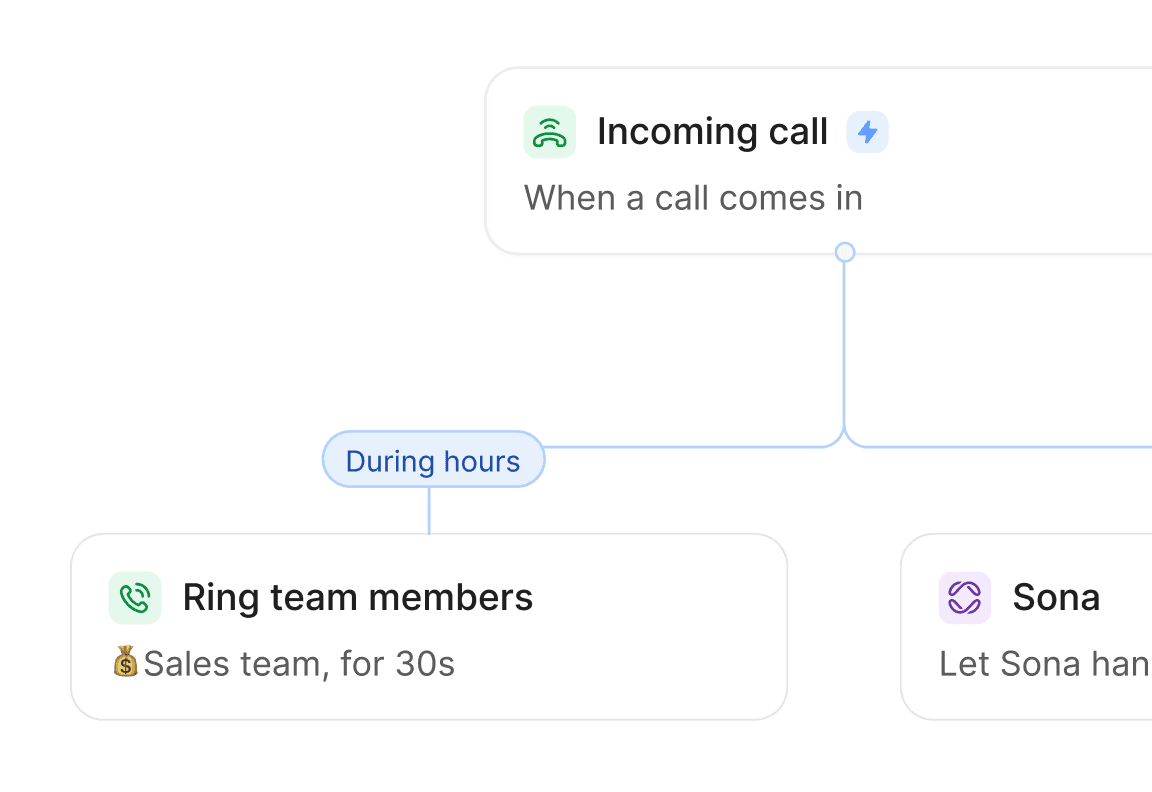
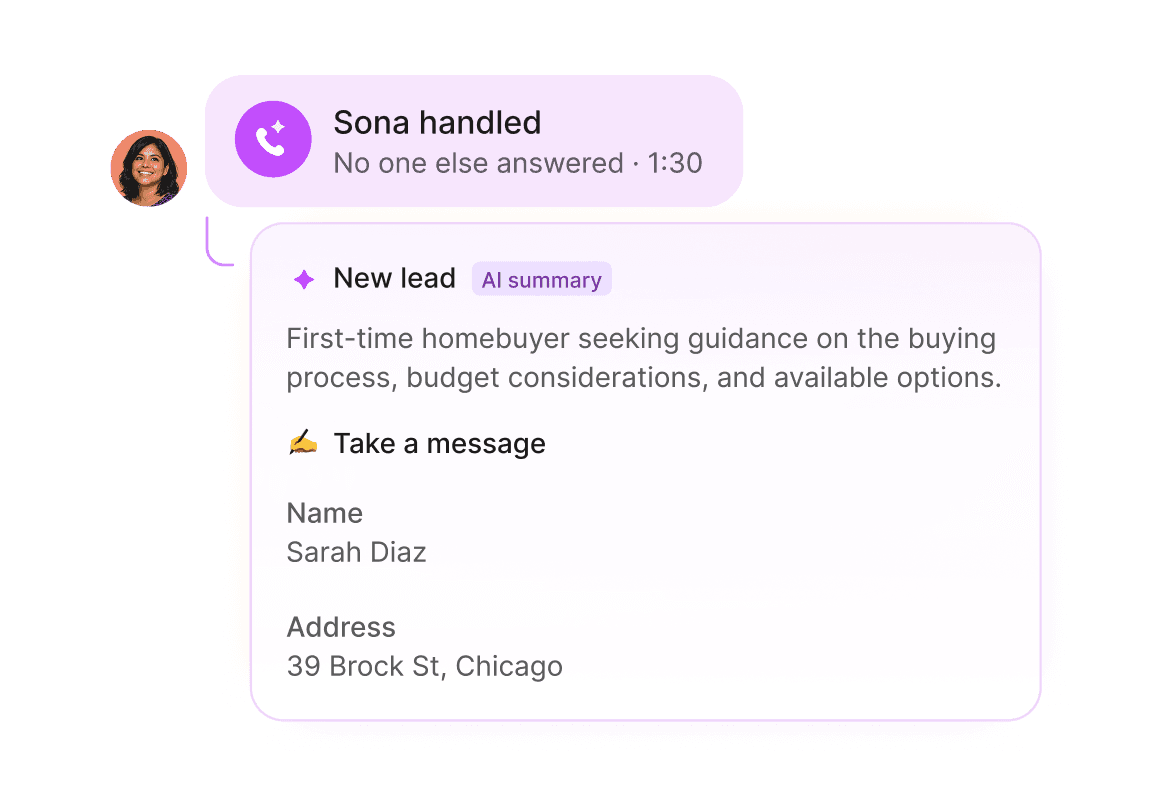
Product screenshots
Real product UI from our media library — no placeholders.
Microsoft Teams




OpenPhone


FAQ
- Is Microsoft Teams better than OpenPhone?
- Microsoft Teams and OpenPhone share buyer workflows; choose based on documented strengths and limits. Choose Microsoft Teams only if your buying job matches “M365 collaboration hub (chat, meetings, files) with optional Teams Phone telephony add-on ” rather than OpenPhone's shape. Choose OpenPhone only if your buying job matches “Modern SMB shared business phone (also branded Quo) with shared numbers, SMS and Sona AI —” rather than Microsoft Teams's shape. Workflow advantage: Microsoft Teams leans shared coverage; OpenPhone leans business-phone, sales-calling. Trade-off: you gain focus on one product's motion at the cost of the other's adjacent coverage — no universal winner. Microsoft Teams is a poor fit when that limitation bites: Scored as a collaboration hub — Teams Phone is a telephony add-on, not the primary scored job OpenPhone is a poor fit when that limitation bites: US/Canada-centric calling footprint — not a global UCaaS carrier story Hard limitation for Microsoft Teams when it matters: Scored as a collaboration hub — Teams Phone is a telephony add-on, not the primary scored job. Hard limitation for OpenPhone when it matters: US/Canada-centric calling footprint — not a global UCaaS carrier story. Neither product has a completed hands-on product test on SoftwareGlimpse — this comparison is research/data-based only. Pricing threshold: estimate spend with the cost calculator before shortlisting.
- Which business communications fits which team?
- Microsoft Teams: your buying job matches “M365 collaboration hub (chat, meetings, files) with optional Teams Phone telephony add-on ” rather than OpenPhone's shape OpenPhone: your buying job matches “Modern SMB shared business phone (also branded Quo) with shared numbers, SMS and Sona AI —” rather than Microsoft Teams's shape
- Does Microsoft Teams or OpenPhone have a free plan?
- Microsoft Teams: Free plan available. OpenPhone: No free plan.
- How does Microsoft Teams vs OpenPhone pricing compare?
- Microsoft Teams starts from $0.00/user/mo. OpenPhone starts from $15.00/user/mo. Confirm live vendor pricing before purchasing.
- How did SoftwareGlimpse compare these products?
- We map both products to the same category criteria, then evaluate trade-offs using verified product, pricing and feature evidence. Affiliate relationships never change outcomes.
- reviewMicrosoft Teams review
- reviewOpenPhone review
- pricingMicrosoft Teams pricing
- pricingOpenPhone pricing
- alternativeSlack alternative
- alternativeZenzap alternative
- alternativeZoom alternative
- guideWhat Is Business Communications Software? Beginner's Guide
- guideHow to Choose Business Communications Software: Job-First Framework
- guideBusiness Communications Pricing Guide: Seats, Minutes & Message Fees
- categorybusiness communications hub
- finderBest communications software
- calculatorCost calculator
Related comparisons




Alternatives to consider

Slack
Channel-based team messaging platform — Free $0, Pro $7.25/user/month annual, Business+ $15, Enterprise+ contact sales; huddles for light video, not a phone system.

Zenzap
Professional work-chat app for frontline and multi-site teams replacing WhatsApp groups — free tier, Pro $3/user/month yearly, Business+ $8 with HIPAA, integrations and AI agents.

Zoom
Meetings-first Workplace suite plus Zoom Phone UCaaS — Phone US/CA Unlimited research floor ~$15–16/user/month; free meetings/chat exist but Phone is paid.

CallHippo
SMB cloud phone system with a $0 starter rung, Starter from $18/user/month annual (2-user minimum), call recording and IVR from Professional, plus a separate call-centre plan ladder.
Still deciding between Microsoft Teams and OpenPhone?
Use Best communications software for a shortlist matched to your priorities, or build another side-by-side comparison.
- Independent criterion outcomes
- No invented scores or prices
- Affiliate links never change winners
Some visit links may be affiliate links — we may earn a commission at no extra cost to you. Comparison outcomes are never based on commission.
Part of Software comparisons · Business Communications Software hub
Try a decision tool
Interactive helpers use recommendation criteria — affiliate status never changes outcomes.