SoftwareGlimpse
Sales Intelligence Software

Is Closely Worth It? Fit Scenarios Before You Buy

This decision is about a channel before it is about software. LinkedIn automation carries platform-policy/compliance risk inherent to the category (operational, not a feature checklist item). So Closely is worth it only if two things are already true: LinkedIn is a channel where your buyers genuinely answer, and you have somewhere else for deals to live, because this is explicitly not a CRM deal-pipeline system of record. Where both hold, an outbound engine that runs LinkedIn and email in one sequence removes real coordination work. Where either fails, no plan on the ladder helps.

By Lee MeyeridricksUpdated Aug 17, 20266 min readFact-checked

Quick answer

Closely is worth it when a manual test shows your buyers actually reply on LinkedIn and your CRM remains the system of record — it is not worth it as a first sales tool or where the channel is unproven.

  • Best for outbound teams already getting replies from manual LinkedIn outreach
  • Not a CRM deal-pipeline system of record.
  • Accept and plan for platform-policy risk before you scale volume
Goals
Features
Integrations
Cost
Ease of use
Growth

See Closely before you decide

Core product overview media for a fit check — still not a substitute for the decision criteria on this page.

See Closely in action

Official product overview for a fit check — not scoring, pricing, or comparative superiority.

This video is hosted by the vendor

This content is hosted by the vendor. The player loads only after you allow marketing cookies.

Official vendor video

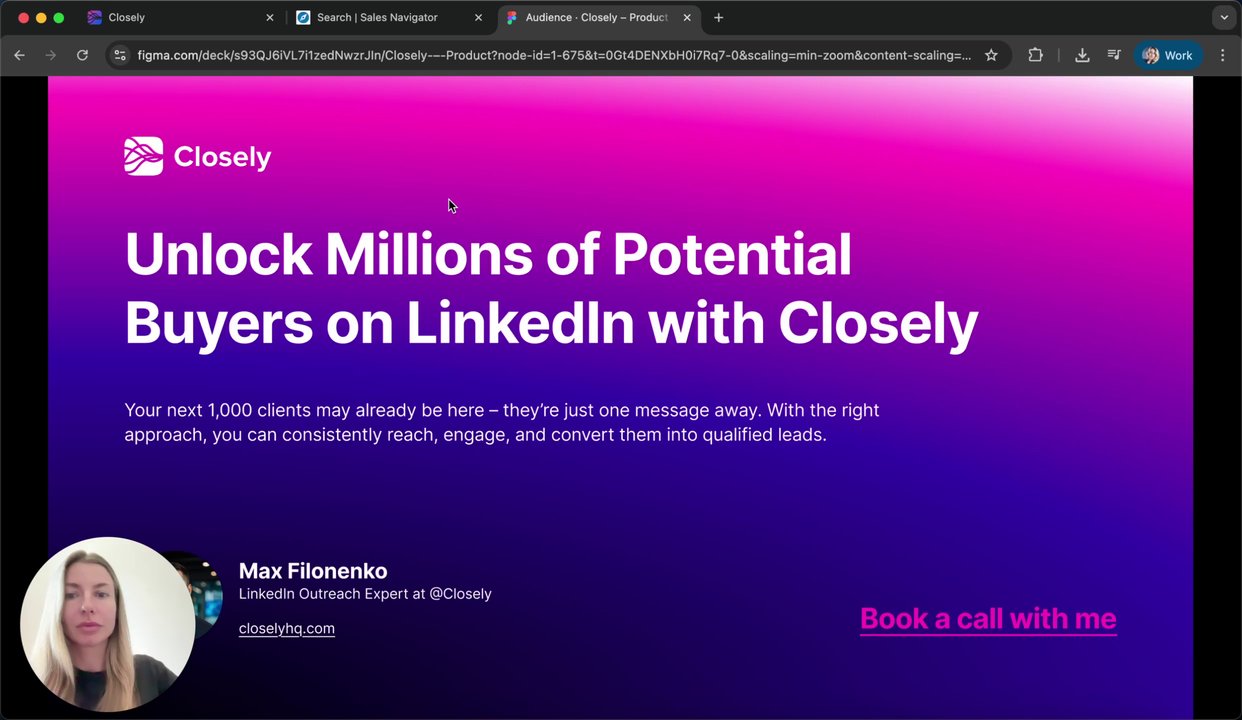
Maximizing B2B Outreach with Closely on LinkedIn

How Closely presents LinkedIn outreach campaign workflows for B2B teams.

What this shows

  • LinkedIn outreach campaign surfaces as Closely presents them on its site
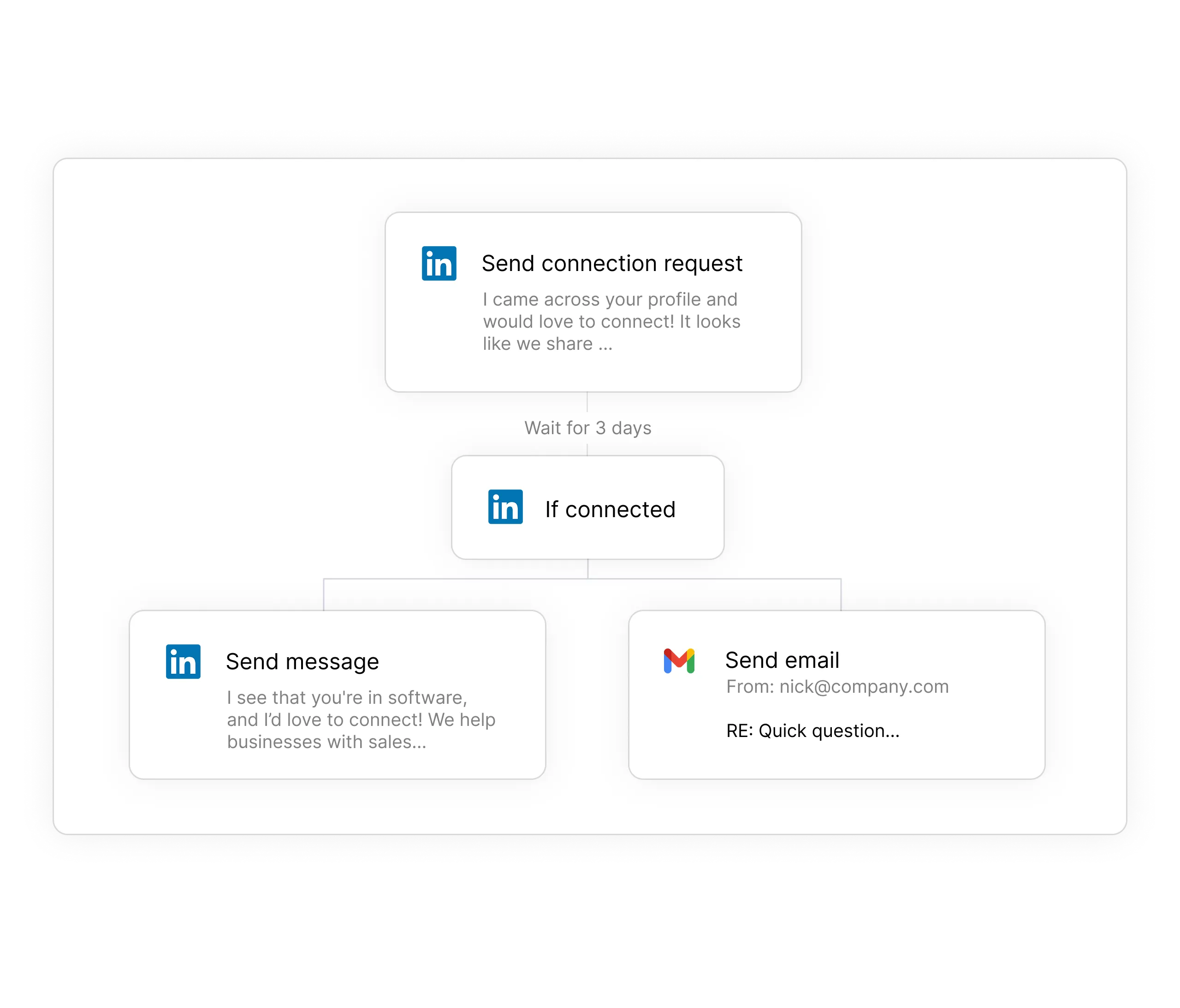
  • Multichannel outreach workflow orientation from the vendor walkthrough
Product screenshots

Verified captures from Closely's product interface.

Closely product home visual 1

Closely product home visual 1 from the official Closely website.

Full product screenshots and evidence live on the Closely research page.

Is Closely worth it?

  • What it is — LinkedIn + email outbound automation platform with enrichment, AI agents, and white-label options for agencies.
  • Best for — B2B outbound teams automating LinkedIn + email; Agencies needing white-label outreach infrastructure; Teams that want transparent mid-market automation pricing
  • Not ideal for — Buyers needing a CRM system of record; Orgs that cannot accept LinkedIn automation risk; Teams that only need a contact database without sequences
  • Commercial clarity — Researched plans: Starter, Growth, Essential, Custom. Never invent list prices here — confirm seats, credits, and quote terms on /pricing/closely/.
  • Editorial verdict snapshot — Closely is a strong outbound automation tool with transparent pricing and weak CRM-pipeline fit. Review based on first-party research, not hands-on testing.

Closely worth-it framework

Closely worth-it framework diagram.
Closely is “worth it” when fit, trial proof, and qualifying cost align.

Frequently asked questions

  • Can we decide from a demo alone?

    No. Require non-admin proof of list → outreach → CRM logging on the package you will actually buy.

  • What if credits look cheap but seats are expensive?

    Model the constraint you will hit first. Many pods exhaust credits before seats — confirm both on the pricing page.

  • When should we walk away?

    When fit, trial proof, or written packaging fails. Keeping looking is cheaper than forcing Closely into the wrong motion.

Channel test, then tooling

  1. 1Send thirty manual messages to real target buyers and count replies
  2. 2Confirm a CRM already holds your pipeline and history
  3. 3Write the warm-up pace and restricted-account contingency
  4. 4Only then choose a rung based on senders you can operate

Why teams regret outbound automation

  • Automating an unproven channel

    Automation multiplies your manual reply rate. Test the rate first, cheaply, by hand.

  • Buying it before a CRM exists

    Not a CRM deal-pipeline system of record.

  • No contingency for a restricted account

    LinkedIn automation carries platform-policy/compliance risk inherent to the category (operational, not a feature checklist item).

Before you decide

Bring these questions to every demo

Ask vendors to show the workflow live, not just describe it.

  • 1Thirty-message manual test completed with replies countedAutomation multiplies your manual rate — measure it first.
  • 2CRM confirmed as the system of recordThis tool starts conversations; it does not hold your pipeline.
  • 3One-page risk plan written before scaling volumeWarm-up pace, daily caps, and a restricted-account contingency.

1. Run the thirty-message manual test

Same buyers, same message you would automate, sent by hand over a week. Count replies and count how many became conversations. This is the whole evidence base for the decision and it costs you an hour. Teams who skip it are buying volume for a message that has never worked.

2. Confirm the record boundary is already solved

Point at the system where a reply becomes a tracked opportunity. If you cannot point at one, fix that first — a CRM before an outbound engine, in that order. Conversations you cannot follow up systematically are not pipeline; they are noise with a good open rate.

3. Write the risk plan on one page before scaling

Warm-up pace per sender, daily connection and message caps, who notices a restriction, and what campaign pauses when one happens. One page, agreed in advance. This is the difference between a channel you operate and an incident you explain, and it is the part of this decision that is genuinely yours rather than the vendor's.

Was this article helpful?

Have more questions? Contact our support team.

SoftwareGlimpse Updates

Want clearer software shortlists? Get buying guides and comparisons by email.

Newsletter coming soon.