Dynatrace vs New Relic
Dynatrace fits enterprises that will sign a dps commit and deploy oneagent broadly; New Relic fits teams that want apm + logs + infra in one ingest bill.

Dynatrace
Enterprise observability — Dynatrace Platform Subscription (DPS) annual commit + rate card. Full-Stack list unit ~$58/mo per 8 GiB host; 15-day trial. No per-seat SKU.
Best for
- • Enterprises that will sign a DPS commit and deploy OneAgent broadly
- • SRE teams that want full-stack APM plus Davis AI in one platform
- • Buyers who already rejected per-host Datadog module math
Starting from $58.00/user/mo
No free plan
VS
Our verdict
Same-cluster observability peer comparison. Choose Dynatrace when enterprise full-stack observability with a DPS commit is the job — not Datadog host modules by default, and not PagerDuty. Choose New Relic when unified observability billed on ingest + users is the job — not Datadog host packs and not ITSM. Overall: Dynatrace 8.2 vs New Relic 8. Not hands-on lab tested; confirm live pricing and packaging.
Dynatrace is better for
- ✓ ITSM depth
- ✓ Source control depth
- ✓ Hosting panel depth
- ✓ Web data / proxy depth
New Relic is better for
- ✓ Free plan
Tie
- • Observability depth
- • Integrations
Choose Dynatrace if: Enterprises that will sign a DPS commit and deploy OneAgent broadly
Choose New Relic if: Teams that want APM + logs + infra in one ingest bill

New Relic
Observability — Free 100 GB ingest + 1 full user; Standard from $10 first full user then $99; data $0.40/GB after 100 GB; Pro $349/full user annual.
Best for
- • Teams that want APM + logs + infra in one ingest bill
- • Orgs that can live with 1–5 Standard full users
- • Buyers comparing usage-based observability to Datadog hosts
Starting from $10.00/user/mo
Free plan available
Quick verdict
Start here — then dig into the evidence below.
Choose Dynatrace if…
- Enterprises that will sign a DPS commit and deploy OneAgent broadly
- SRE teams that want full-stack APM plus Davis AI in one platform
- Buyers who already rejected per-host Datadog module math
- You prioritize itsm depth
Choose New Relic if…
- Teams that want APM + logs + infra in one ingest bill
- Orgs that can live with 1–5 Standard full users
- Buyers comparing usage-based observability to Datadog hosts
- You prioritize free plan
Overall recommendation
Same-cluster observability peer comparison. Choose Dynatrace when enterprise full-stack observability with a DPS commit is the job — not Datadog host modules by default, and not PagerDuty. Choose New Relic when unified observability billed on ingest + users is the job — not Datadog host packs and not ITSM. Overall: Dynatrace 8.2 vs New Relic 8. Not hands-on lab tested; confirm live pricing and packaging.
Key trade-off
Dynatrace trades toward itsm depth; New Relic trades toward free plan.
Winner by category
Only dimensions with researched evidence for this pair.
| Dimension | Winner | Why |
|---|---|---|
| Free plan | New Relic wins | Better for free plan |
| ITSM depth | Dynatrace wins | Dynatrace leads on ITSM depth (10/10 vs 9/10). Landscape or cluster fit from vendor documentation. |
| Observability depth | Tie | Dynatrace and New Relic are close on observability depth (9/10 vs 9/10). Landscape or cluster fit from vendor documentation. |
| Source control depth | Dynatrace wins | Dynatrace leads on source control depth (10/10 vs 9/10). Landscape or cluster fit from vendor documentation. |
| Hosting panel depth | Dynatrace wins | Dynatrace leads on hosting panel depth (10/10 vs 9/10). Landscape or cluster fit from vendor documentation. |
| Web data / proxy depth | Dynatrace wins | Dynatrace leads on web data / proxy depth (10/10 vs 9/10). Landscape or cluster fit from vendor documentation. |
| Security & admin | Dynatrace wins | Dynatrace leads on security & admin (9/10 vs 8/10). Landscape or cluster fit from vendor documentation. |
| Integrations | Tie | Dynatrace and New Relic are close on integrations (8/10 vs 8/10). Landscape or cluster fit from vendor documentation. |
Side-by-side feature matrix
Normalized availability from product research — empty rows are not shown.
Capabilities
| Feature | Dynatrace | New Relic |
|---|---|---|
| Incident management | Moderate | Moderate |
| Change & problem management | Limited | Limited |
| Service catalog | Limited | Limited |
| Infrastructure monitoring | Strong | Strong |
| APM & distributed tracing | Strong | Strong |
| Log management | Strong | Strong |
| Source control & repos | Limited | Limited |
| CI/CD & automation | Moderate | Moderate |
| Hosting control panel | Limited | Limited |
| Proxy / web data network | Limited | Limited |
| ITSM AI assistance | Moderate | Moderate |
| Developer AI assistance | Strong | Moderate |
| On-call & paging | Moderate | Moderate |
| Enterprise security & SSO | Strong | Strong |
| Analytics & reporting | Strong | Strong |
Pricing comparison
Pricing evidence last checked Sep 8, 2026.
Dynatrace
From $58.00/user/mo
- Dynatrace Platform SubscriptionCustom
- On-demand over commitCustom
New Relic
From $10.00/user/mo
- Free$0.00/user/mo
- Standard (first full user)$10.00/user/mo
- Pro (full platform user)$349.00/user/mo
- EnterpriseCustom
Seat-count estimates
Labeled estimates from verified starting per-seat pricing — not invoices.
| Seats | Dynatrace | New Relic |
|---|---|---|
| 5 | ~$290.00/mo (5 × starting seat) | ~$50.00/mo (5 × starting seat) |
| 10 | ~$580.00/mo (10 × starting seat) | ~$100.00/mo (10 × starting seat) |
| 25 | ~$1,450.00/mo (25 × starting seat) | ~$250.00/mo (25 × starting seat) |
| 50 | ~$2,900.00/mo (50 × starting seat) | ~$500.00/mo (50 × starting seat) |
Estimate from verified starting per-seat pricing — actual total depends on plan, annual discounts, and add-ons.
Research 2026-08-18 from first-party pages. Affiliate economics excluded. Confirm live packaging — seats, hosts, GB, CI minutes, and add-ons change TCO.
Best for
Scenario picks from researched strengths — not a universal ranking.
- → Dynatrace
Enterprises that will sign a DPS commit and deploy OneAgent broadly
Pick Dynatrace for Enterprises that will sign a DPS commit and deploy OneAgent broadly.
- → Dynatrace
SRE teams that want full-stack APM plus Davis AI in one platform
Pick Dynatrace for SRE teams that want full-stack APM plus Davis AI in one platform.
- → Dynatrace
Buyers who already rejected per-host Datadog module math
Pick Dynatrace for Buyers who already rejected per-host Datadog module math.
- → New Relic
Teams that want APM + logs + infra in one ingest bill
Pick New Relic for Teams that want APM + logs + infra in one ingest bill.
- → New Relic
Orgs that can live with 1–5 Standard full users
Pick New Relic for Orgs that can live with 1–5 Standard full users.
- → New Relic
Buyers comparing usage-based observability to Datadog hosts
Pick New Relic for Buyers comparing usage-based observability to Datadog hosts.
The differences that actually matter
Pair-specific analysis for Dynatrace vs New Relic — not generic category copy.
Free plan
New Relic aheadOn free plan, New Relic is ahead. Dynatrace: Trails New Relic on this criterion. New Relic: Better for free plan. Feature evidence also diverges on Developer AI assistance (Dynatrace: Strong; New Relic: Moderate).
ITSM depth
Dynatrace aheadOn itsm depth, Dynatrace is ahead. Dynatrace: Dynatrace leads on ITSM depth (10/10 vs 9/10). Landscape or cluster fit from vendor documentation.. New Relic: Trails Dynatrace on this criterion.
Source control depth
Dynatrace aheadOn source control depth, Dynatrace is ahead. Dynatrace: Dynatrace leads on source control depth (10/10 vs 9/10). Landscape or cluster fit from vendor documentation.. New Relic: Trails Dynatrace on this criterion.
Hosting panel depth
Dynatrace aheadOn hosting panel depth, Dynatrace is ahead. Dynatrace: Dynatrace leads on hosting panel depth (10/10 vs 9/10). Landscape or cluster fit from vendor documentation.. New Relic: Trails Dynatrace on this criterion.
Web data / proxy depth
Dynatrace aheadOn web data / proxy depth, Dynatrace is ahead. Dynatrace: Dynatrace leads on web data / proxy depth (10/10 vs 9/10). Landscape or cluster fit from vendor documentation.. New Relic: Trails Dynatrace on this criterion.
Security & admin
Dynatrace aheadOn security & admin, Dynatrace is ahead. Dynatrace: Dynatrace leads on security & admin (9/10 vs 8/10). Landscape or cluster fit from vendor documentation.. New Relic: Trails Dynatrace on this criterion.
Pros and cons
Product-specific for this pair — derived from researched outcomes and editorial notes.
Dynatrace
Pros
- Stronger on itsm depth
- Stronger on source control depth
- Stronger on hosting panel depth
- Stronger on web data / proxy depth
Cons
- Trails on free plan
New Relic
Pros
- Stronger on free plan
Cons
- Trails on itsm depth
- Trails on source control depth
- Trails on hosting panel depth
Who should not choose each product
Decision quality improves when we say who should walk away.
Don't choose Dynatrace if…
- You need New Relic's stronger free plan more than Dynatrace's strengths
- Your primary fit looks closer to: Teams that want APM + logs + infra in one ingest bill
- Your primary fit looks closer to: Orgs that can live with 1–5 Standard full users
Don't choose New Relic if…
- You need Dynatrace's stronger itsm depth more than New Relic's strengths
- You need Dynatrace's stronger source control depth more than New Relic's strengths
- You need Dynatrace's stronger hosting panel depth more than New Relic's strengths
- Your primary fit looks closer to: Enterprises that will sign a DPS commit and deploy OneAgent broadly
Alternatives worth considering
When neither product is the right fit.
Observability suite — infrastructure, APM, logs, and security signals with consumption/host pricing; Infrastructure Pro from $15/host/mo annual.
Managed Grafana observability — Free 10k series / 50 GB logs; Pro from $19/mo platform fee + usage ($6.50/1k series, $8/user).


Final verdict
Scenario-level close — not a repeat of the intro.
Dynatrace wins when…
Enterprises that will sign a DPS commit and deploy OneAgent broadly
New Relic wins when…
Teams that want APM + logs + infra in one ingest bill
- Enterprises that will sign a DPS commit and deploy OneAgent broadlyDynatrace
- SRE teams that want full-stack APM plus Davis AI in one platformDynatrace
- Buyers who already rejected per-host Datadog module mathDynatrace
- Teams that want APM + logs + infra in one ingest billNew Relic
Which one should you choose?
Choose Dynatrace if:
- Enterprises that will sign a DPS commit and deploy OneAgent broadly
- SRE teams that want full-stack APM plus Davis AI in one platform
- Buyers who already rejected per-host Datadog module math
Choose New Relic if:
- Teams that want APM + logs + infra in one ingest bill
- Orgs that can live with 1–5 Standard full users
- Buyers comparing usage-based observability to Datadog hosts
Product screenshots
Real product UI from our media library — no placeholders.
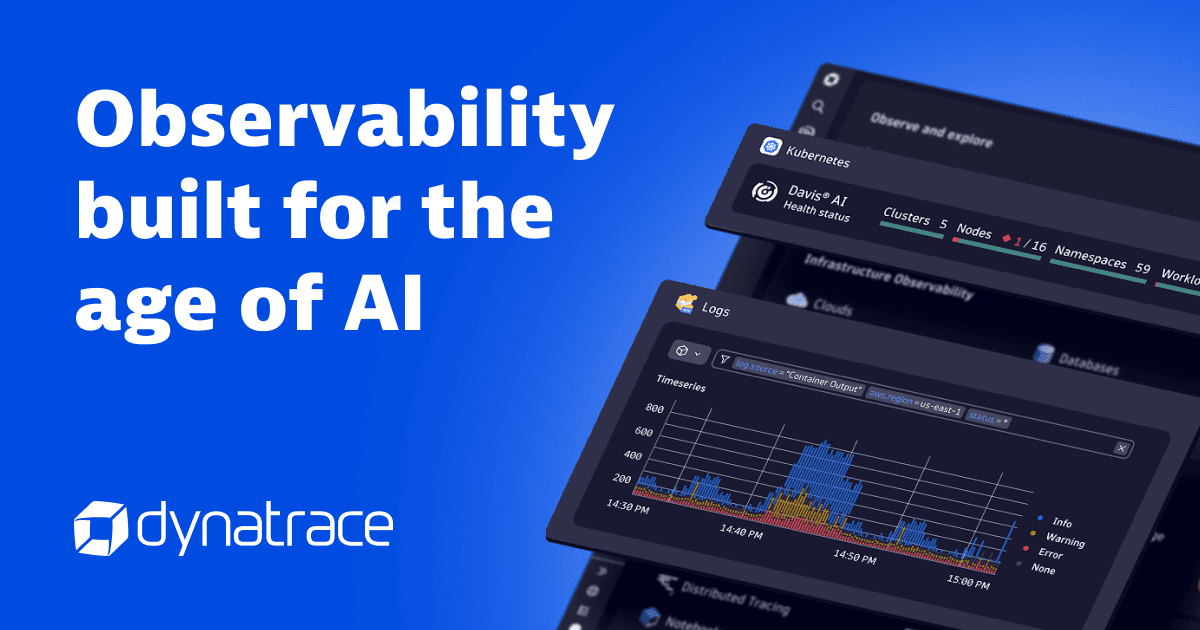
Dynatrace
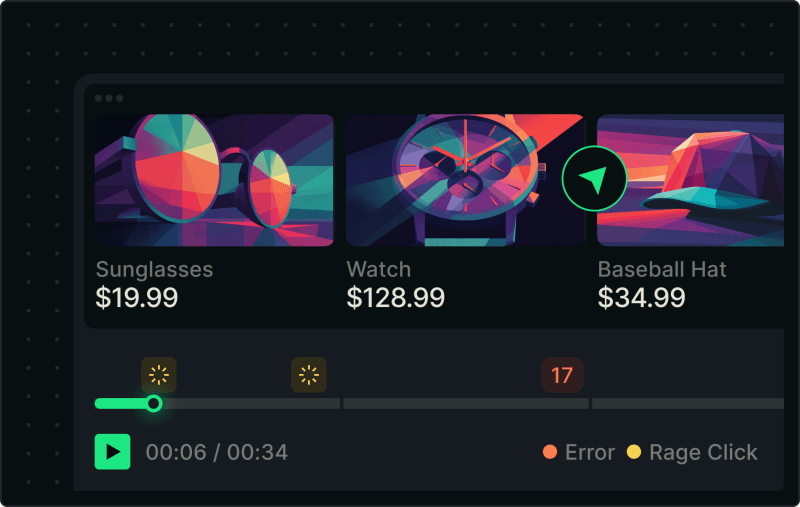
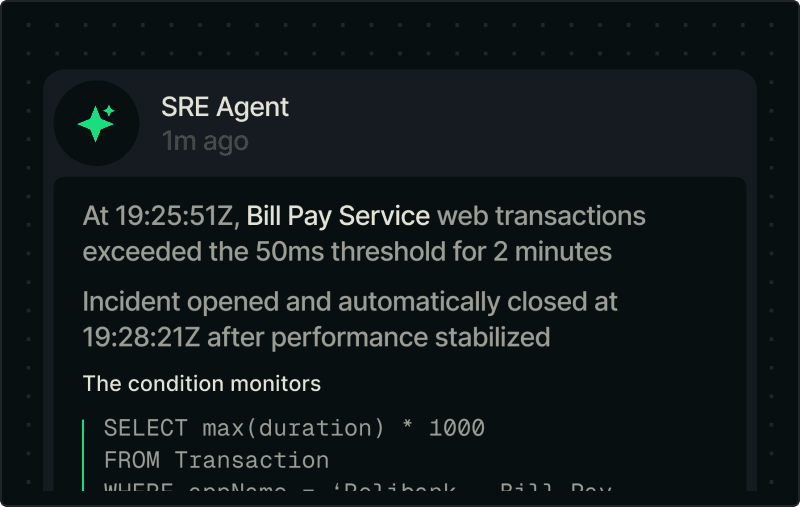
New Relic

FAQ
- Is Dynatrace better than New Relic?
- Dynatrace is the stronger overall fit. Same-cluster observability peer comparison. Choose Dynatrace when enterprise full-stack observability with a DPS commit is the job — not Datadog host modules by default, and not PagerDuty. Choose New Relic when unified observability billed on ingest + users is the job — not Datadog host packs and not ITSM. Overall: Dynatrace 8.2 vs New Relic 8. Not hands-on lab tested; confirm live pricing and packaging.
- Which It Development fits which team?
- Dynatrace: Enterprises that will sign a DPS commit and deploy OneAgent broadly New Relic: Teams that want APM + logs + infra in one ingest bill
- Does Dynatrace or New Relic have a free plan?
- Dynatrace: No free plan. New Relic: Free plan available.
- How does Dynatrace vs New Relic pricing compare?
- Dynatrace starts from $58.00/user/mo. New Relic starts from $10.00/user/mo. Confirm live vendor pricing before purchasing.
- How did SoftwareGlimpse compare these products?
- We map both products to the same category criteria, then evaluate trade-offs using verified product, pricing and feature evidence. Affiliate relationships never change outcomes.
- reviewDynatrace review
- reviewNew Relic review
- pricingDynatrace pricing
- pricingNew Relic pricing
- alternativeDatadog alternative
- alternativeGrafana Cloud alternative
- guideWhat Is IT & Development Software?
- guideHow to Choose IT & Development Software
- guideIT & Development Software Pricing Guide
- categoryIt Development hub
- finderFind My CRM
- calculatorCost calculator
Related comparisons




Alternatives to consider
Still deciding between Dynatrace and New Relic?
Use Find My CRM for a shortlist matched to your priorities, or build another side-by-side comparison.
- Independent criterion outcomes
- No invented scores or prices
- Affiliate links never change winners
Some visit links may be affiliate links — we may earn a commission at no extra cost to you. Comparison outcomes are never based on commission.
Part of Software comparisons · IT & Development Software hub
Try a decision tool
Interactive helpers use recommendation criteria — affiliate status never changes outcomes.